Hoover Dental X-Rays

April 30, 2024  |  by James Sampson  |  Blog
Why are dental x-rays important

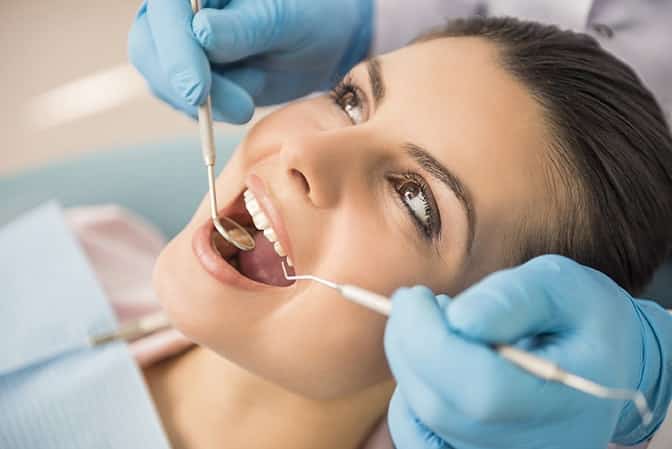
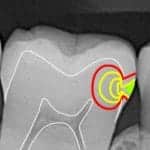
Hoover Dental X-rays are a crucial part of diagnosis and treatment in oral health.  Dental x-rays allow a dentist to view structures that are not visible to the naked eye.  This could be, because they are between teeth, under soft tissue, or within the bone.  Having  x-rays taking, some conditions can be detected or diagnosed.

Hoover Dental x-rays help check for:

What about the radiation?

In addition, with advancements in technology, especially digital systems, x-rays require very low dose radiation.  A typical dental x-raytaken digitally exposes a patient to less than 0.5 mrem.

Finally, to put things in perspective, an average resident of the U.S. receives over 360 mrem every year from background sources. This comes from all over the place: outer space, radioactive materials in the earth, small amounts of radioactive material in foods and products that we use, even over people. Variances in lifestyle likewise cause variances in each individual’s total exposure. For example: an individual who flies often is exposed to more background radiation than someone who does not.

Why are dental x-rays important

You should always limit x-ray radiation exposure, when possible. Dental x-rays are very low dose and are crucial for proper diagnosis. By being proactive, x-rays can detect much of the oral cavity in your mouth.

Cross-bite Correction and Treatment Options

April 28, 2024  |  by James Sampson  |  Blog
Cross-bite Correction and Treatment Options Hoover Alabama

If you are like most people you may not have a full understanding of what a crossbite is until you or a family member is diagnosed with one. Good new! cross-bite correction and treatment options are available.

Basically, there are two types of cross-bites and both of them can lead to jaw pain, TMJ (Temporomandibular Joint Dysfunction), and other issues such as receding gums and loose teeth. These side effects are not things that anyone wants to deal with, but the good news is that crossbites are treatable. There are cross-bite correction and treatment options available amd we’re here to help you understand a few of your options.

What Exactly is a Cross-bite?

The official clinical definition of a cross-bite is  “an abnormal relation of one or more teeth of one arch to the opposing tooth or teeth of the other arch, caused by deviation of tooth position or abnormal jaw position.”

In everyday language, a crossbite occurs when there is a misalignment of your upper teeth in relation to your lower teeth.

Cross-bites can be hereditary, but they can also be situational. Cross-bites that occur in children can stem from the permanent teeth growing in before all baby teeth have fallen out. If this occurs, the new teeth that come in can’t grow in place properly which results in misalignment issues.

Most of the time however, crossbites stem from genetics. If your parents had issues with their bites, chances are they could have passed this down to you.

Cross-bite Correction and Treatment Options

Here is a quick list of treatment options that are available to correct crossbites. This list is by no means intended to be a recommendation of how to address your child’s cross-bite or your own. It is just a list of options that are generally available for the treatment of cross-bites. Each individual case is different and requires an examination in order to determine the best course of action.

Cross-bite Correction and Treatment Options– Maxillary Expander
– Removable expander
– Braces
– Surgery in extreme cases

The best place to start is by talking to your dentist about cross-bite correction and treatment options available to you or your child.

Helping Kids Enjoy Healthy Dental Habits

February 20, 2024  |  by James Sampson  |  Blog
Helping Kids Enjoy Healthy Dental Habits

One of the most common phrases we hear our dental patients say is “I wish I would have taken better care of my teeth.” Helping kids enjoy healthier dental habits early on, will increase their chances of having a healthier smile.

Many instances we tell kids “brush and floss and don’t eat candy or you’re going to get cavities.”  Sometimes, it’s hard to help children, who understandably see the world with a “here and now” vision.

Schedule Your Appointment Online!

Helping Kids Enjoy Healthy Dental Habits

As an effort to motivate children to take care of their teeth, you have to show through your own actions.  If you realize the importance of preventative care today, the long term positive effects will be evident later on.

So while it is very important to teach our children about prevention and the consequences of not doing so, it can be equally as important to supplement that with positive reinforcement to help them learn to enjoy the preventative dental measures themselves.

If we can teach our children to actually enjoy healthy habits at a young age, instead of just using scare tactics to avoid unhealthy habits, they will certainly have a more solid foundation for a lifetime of choosing a healthy path.

Helping Kids Enjoy Healthy Dental Habit tips:

  • Have an assortment of healthy and natural “treats” (carrot sticks, fruit pieces, etc) available.
  • Allow the child to be part of the decision making process.
  • Be a good role model in what your choices and habits are.
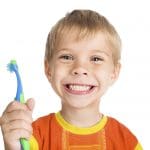
  • Use fun dental hygiene products! Tooth Tunes toothbrushes are an excellent example. It plays music when the brush touches the teeth. Having fun while brushing positively reinforces the habit, whether they understand the concept of prevention or not.

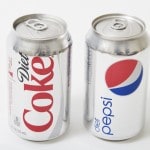
Are Diet Drinks Bad for Your Teeth?

December 26, 2023  |  by James Sampson  |  Blog
Are Diet Drinks Bad for Your Teeth?

First, let’s answer this question: What causes cavities? The answer in the simplest terms is acids. Growing up in Hoover Alabama and more importantly in the Southern part of the United States, people tend to drink more diet sodas than in other parts of the country.

Bacteria adhere to your teeth (plaque). The bacteria then use the sugar you consume and create acids. Are Diet Drinks Bad for Your Teeth?  The acids eat away at your teeth and form holes. The cycle continues as the bacteria bore their way deeper and deeper into the teeth.

What is the main thing the bacteria need to thrive? Sugar.

Are diet drinks also bad for teeth?

Most diet drinks do not contain sugar. They use some form or another of artificial sweetener. The good news is that cavity-causing bacteria cannot metabolize these sweeteners to form acids. The bad news is, just like their “regular” counterparts, diet drinks are extremely acidic in themselves. Again, what causes cavities? Acids! And so, even though the typical path of cavity formation (bacteria eats sugar, releases acids, forms holes in teeth) is not followed as much, these drinks can just bypass the bacteria step and eat away at your teeth on their own. Pathologically speaking, it is a different type of cavity with different attributes than that of a bacteria caused one. However, in the big picture, it doesn’t really matter. In both situations, tooth structure is eaten away and once it’s gone, it’s gone.

Drink more water. There is nothing better!
Limit soft drinks, including diet soft drinks, to meal times.
At the very least, swish around with some water after consuming to remove some of it off your teeth.

Headaches and Teeth

December 23, 2023  |  by James Sampson  |  Blog
Headaches and Teeth | Birmigham Alabama Dentist

Headaches and Teeth! Did you know that many headaches are actually linked to your teeth? Bruxism is a term to describe the clenching and grinding of teeth. When a person clenches or grinds their teeth together, muscles that control the movement of the jaws become sore and painful.

The muscles (in particular the temporalis and masseter muscles) become very sore and cause painful tension-type headaches. Facial pain is also frequent symptom with bruxism.

Bruxism is sparked by stress, anxiety and bite abnormalities.

Headaches can be linked to your Teeth

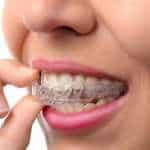
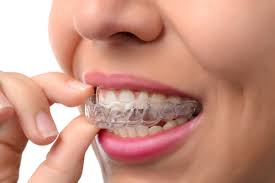
Treatment can significantly reduce the frequency or severity of the headaches and/or facial pain. The most common form of treatment is a dental appliance that can control your bite and jaw position. This will help protect the teeth and distribute the forces of bruxism. Furthermore, it will ease the tension off of the muscles, and in some cases stop the bruxism habit all together.

Dental devices can really help the symptoms. Moreover, stress management and/or therapy can be very beneficial to get to the source of the problem. Also, check if the source is a bite abnormality.

Make dental visits a part of your lifestyle. We recommend to Maintain normal dental visits early on in life. Continuing dental visits throughout the early part of your life is a great way to start a good oral hygiene.